
Skip to content

🌿 Jute: Properties, Applications, and Sustainability Impact

  • by

Jute is a natural, plant-based fiber derived from the Corchorus plant, commonly recognized in its fabric form as burlap. Jute holds the distinction of being the second most commonly produced plant-based fiber globally, after cotton. Its widespread appeal stems from a combination of intrinsic material properties and significant… 

💼 Applications and Diverse Utility of Jute Fabric

  • by

Jute is a durable, highly breathable, and texturally coarse fabric utilized across a broad spectrum of sectors, including apparel, agriculture, industrial production, flooring, and home furnishings. Its thickness and workability make it an ideal material, particularly in hot and humid climates. 👗 Textile and Apparel Applications While traditionally… 

🔬 The Production and Processing of Jute Fiber

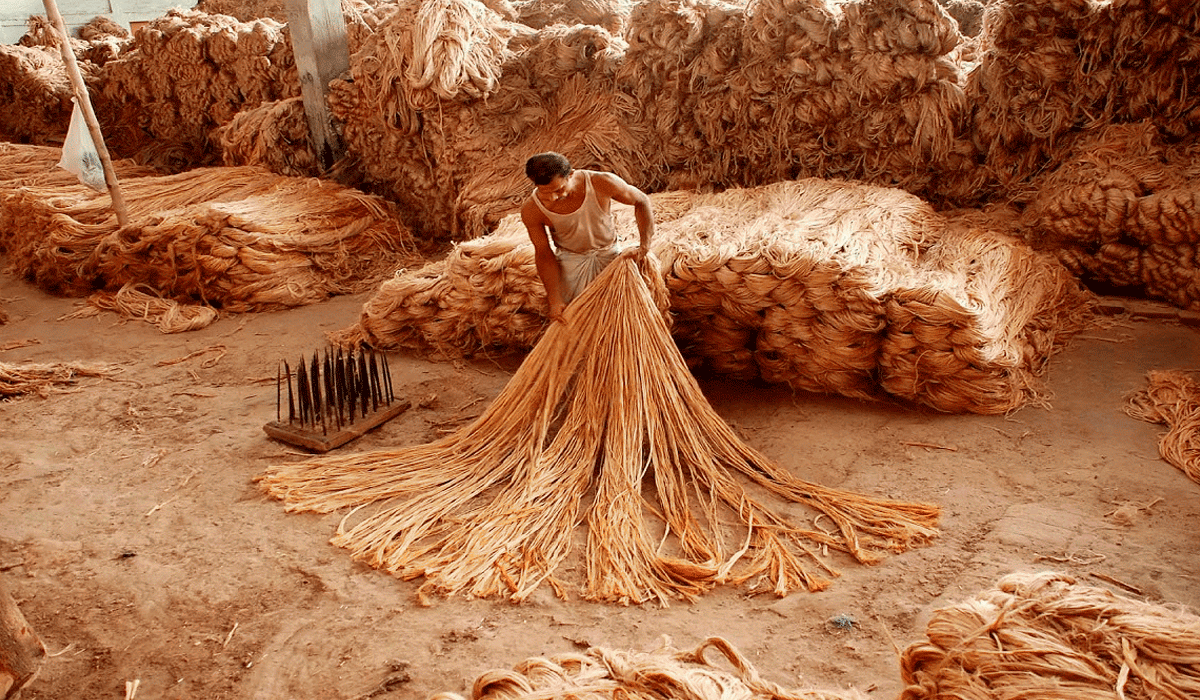
Jute fiber, derived from the Corchorus plant, is categorized primarily into white jute and dark (tossa) jute. Its cultivation requires specific environmental parameters, namely warm, humid climates with annual monsoon seasons, mirroring the conditions necessary for rice cultivation. 🌎 Cultivation and Geographic Origin Over 80% of global jute… 

♻️ Environmental and Sustainability Impact of Jute

Jute is distinguished by its substantial environmental advantages and low-impact production lifecycle, positioning it as a highly sustainable natural fiber. 🌿 Cultivation and Soil Health Benefits The cultivation of the jute plant requires minimal inputs of fertilizers and pesticides, which significantly reduces the environmental burden associated with chemical…